DevOps
Chaos Engineering: Preparing for the Unpredictable in CI/CD
March 10, 20256 min read
Imagine a world where your software, websites, or applications are battle-tested against the worst possible scenarios before they even reach production.
Welcome to the realm of chaos engineering—a revolutionary approach transforming how we build and maintain robust, resilient applications while preparing to face unpredictable failures.
Continuous integration and continuous delivery (CI/CD) have become the norm of application development in today’s fast-paced world. However, a single failure can lead to significant consequences, costing businesses a lot of time, resources, and money.
But what if you could intentionally introduce failures (or chaos) into your systems to uncover weaknesses and strengthen your defenses?
This blog will dive deep into the world of chaos engineering and its critical role in CI/CD pipelines. We'll explore why it is crucial for developers, the best practices to implement it in your CI/CD pipelines, and the challenges it brings.
Understanding Chaos Engineering
Chaos engineering, or chaos testing, is a method of intentionally introducing failures into an application or software to test its response and resilience. It is a proactive approach in application development that allows developers to discover weaknesses in their systems before they can cause downtime. The introduction of controlled failures into a system helps developers to observe how it reacts and make improvements accordingly, keeping them and their systems prepared for unpredictable failures. According to Gremlin, development teams have reported 99.9% uptime for their applications after using chaos testing practices.Core Principles of Chaos Engineering
Chaos engineering was initially introduced by Netflix in 2010 with the launch of “Chaos Monkey”. With this, Netflix also defined some core principles of chaos testing to practice it efficiently. A few fundamental principles are; Define a Steady State: This includes establishing a baseline for how the system should behave under normal conditions. Hypothesis: Developers must predict how the system will react to different types of failures and situations. Introduce Controlled Disruptions: Intentional failures such as network latency, server crashes, or resource exhaustion are injected in a controlled manner. Monitor and Analyze Results: Developers observe how the system behaves under stress and identify areas for improvement. Automate and Improve: Continuously refining the chaos experiments enhances system resilience and strengthens it against failures.Importance of Chaos Engineering in CI/CD
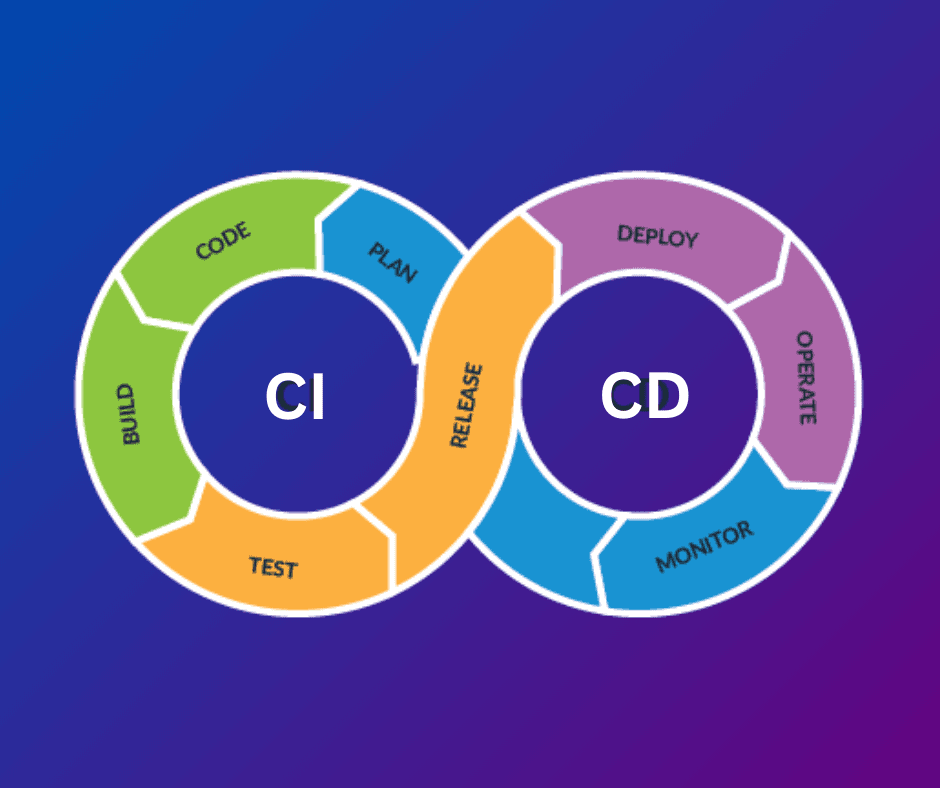
CI/CD pipelines are the backbone of modern software development, enabling teams to release updates frequently and efficiently. However, these pipelines are not foolproof, and weaknesses can appear at any time. Even with robust monitoring tools in place, traditional testing methods often fail to capture real-world failures. Chaos engineering introduces resilience testing earlier in the development lifecycle, allowing you to detect and mitigate vulnerabilities proactively. Just as unit tests identify problems at the code level, chaos experiments provide a thorough quality assurance procedure that identifies faults at the system level. By integrating chaos engineering into their CI/CD pipelines, businesses can;- Detect weaknesses before they impact production.
- Ensure continuous delivery even under adverse conditions.
- Improve response strategies for real-world failures.
- Reduce downtime and enhance user experience.
- Provide teams with better insights into system behavior under stress.