
Product Engineering
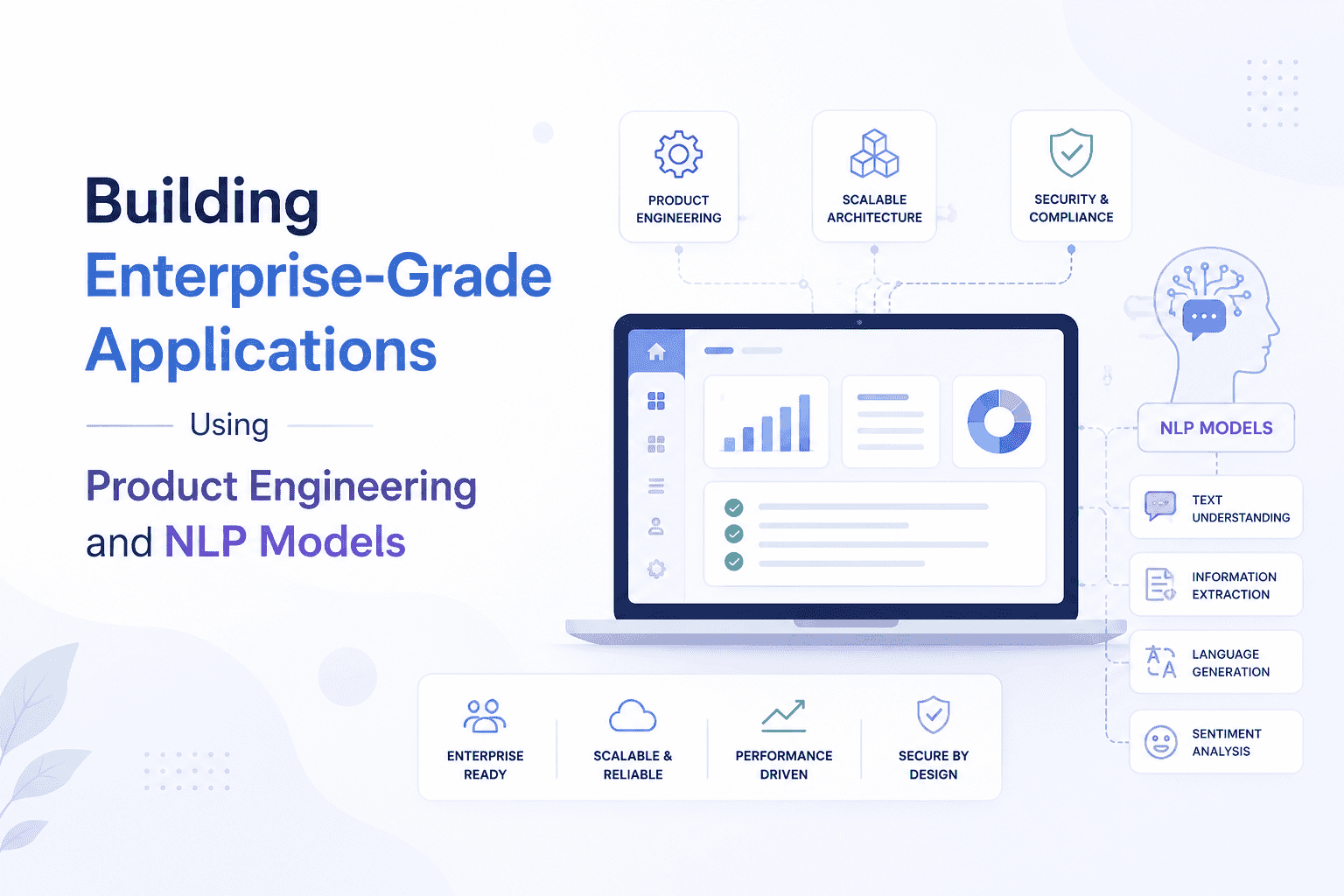
Building Enterprise-Grade Applications Using Product Engineering and NLP Models
May 29, 20266 min read
Modern enterprises are rapidly transforming how they design and scale digital platforms. Today, intelligent automation, contextual understanding, and data-driven decision-making are no longer optional—they are core architectural pillars.
This is where NLP models combined with product engineering strategies enable organizations to build resilient, scalable, and intelligent enterprise systems.
According to a recent industry report, the global natural language processing market was valued at USD 59.72 billion in 2024 and is projected to grow dramatically to nearly USD 1,584.95 billion by 2034, driven by enterprise automation and AI adoption. This surge highlights how organizations are integrating language-based AI into core platforms to optimize workflows and customer experiences.
In this comprehensive guide, we’ll explore how product engineering frameworks and natural language processing models prove helpful in building enterprise-grade applications and how enterprises can use them to scale effectively.
The Role of Product Engineering and NLP Models in Modern Applications
Modern enterprise software relies heavily on structured engineering workflows that integrate intelligence directly into system architecture. Product engineering ensures that NLP models operate efficiently within scalable infrastructures, enabling applications to analyze language, interpret user intent, and automate tasks. This shift allows organizations to deliver smarter digital experiences that evolve continuously alongside business requirements. The growing demand for automation has encouraged enterprises to integrate natural language processing services into their core platforms. Through strategic engineering practices, organizations can transform complex datasets into actionable insights, improving customer interactions and operational efficiency. These advancements demonstrate how intelligent language systems are reshaping the future of enterprise technology.How to Use Product Engineering in Enterprise-Grade Applications?
Product engineering provides a structured framework for designing scalable enterprise solutions that integrate intelligent systems. By following proven engineering strategies, organizations can improve reliability, performance, and adaptability. Effective engineering practices help teams implement AI capabilities while maintaining stability across large-scale digital ecosystems. The following are some effective practices to use product engineering in enterprise-grade applications:Modular Architecture Design
Building modular architecture allows enterprise teams to introduce new capabilities without disrupting existing systems. When organizations combine modular engineering with modern web and application development, they gain flexibility, scalability, and faster deployment cycles. This approach ensures that enterprise platforms remain adaptable to evolving technology landscapes and business requirements.Continuous Integration and Deployment Pipelines
A robust CI/CD strategy helps enterprises release updates faster while maintaining system stability. Automated testing, version control, and performance monitoring enable engineering teams to detect issues early. This process ensures that enterprise applications evolve continuously without compromising functionality or user experience across complex digital environments.Data Governance and Infrastructure Planning
Enterprise applications rely on structured data management to maintain accuracy and compliance. Integrating AI Workflow automation within product engineering workflows ensures consistent data handling, streamlined processing, and improved operational efficiency. Strong governance practices also help organizations maintain regulatory compliance while scaling intelligent enterprise systems.Cross-Functional Collaboration Frameworks
Successful enterprise platforms require collaboration between developers, designers, AI specialists, and business strategists. By aligning engineering efforts with real-world objectives, organizations can build applications that solve practical challenges. This collaborative approach ensures that product development remains user-focused and aligned with organizational goals.Performance Monitoring and Adaptive Optimization
Continuous monitoring allows engineering teams to evaluate application performance in real time and identify optimization opportunities. Integrating agentic AI into monitoring workflows enables enterprise platforms to analyze system behavior autonomously and recommend improvements, ensuring long-term scalability and consistent performance under changing operational demands.How to Use NLP Models in Enterprise-Grade Applications?
Implementing intelligent language systems requires a strategic approach that combines engineering expertise with AI innovation. Enterprises must ensure that language intelligence integrates seamlessly into digital platforms, enabling automation, analytics, and enhanced user interaction across enterprise ecosystems. The following are some effective practices to use NLP models in enterprise-grade applications:Domain-Specific Model Customization
Tailoring NLP models to industry-specific language patterns improves contextual accuracy and relevance. Enterprises operating in healthcare, finance, or logistics benefit from customized NLP systems that understand domain terminology, allowing applications to deliver more precise insights and enhance communication workflows across enterprise platforms.Conversational Interface Integration
Conversational interfaces enable users to interact naturally with enterprise software. Integrating chatbots, voice assistants, and AI-driven communication tools simplifies workflows and enhances accessibility. These interfaces improve engagement by allowing users to communicate with systems using natural language rather than navigating complex interfaces.Workflow Orchestration Through Language Intelligence
Connecting NLP systems with enterprise APIs allows organizations to automate processes efficiently. Using natural language processing services, enterprises can create intelligent pipelines that interpret user input and execute actions across multiple systems, enabling faster decision-making and more responsive enterprise applications.Ethical AI Governance and Transparency
Enterprise adoption of NLP requires strong governance frameworks that ensure transparency and fairness. Monitoring model outputs and maintaining audit trails helps organizations detect biases and maintain compliance with regulatory standards. Ethical implementation builds trust and ensures that AI-driven enterprise platforms operate responsibly.Real-Time Learning and Adaptive Analytics
Continuous learning systems enable enterprise platforms to improve over time. By combining NLP-driven analytics with AI workflow automation, organizations can analyze live data streams and refine application behavior dynamically, creating smarter enterprise environments that respond effectively to evolving business needs.Future Trends in Product Engineering and NLP Models
The future of enterprise software will be shaped by intelligent engineering practices and evolving AI capabilities. Organizations exploring advanced technologies such as Agentic AI are preparing for a new generation of adaptive enterprise applications. Here are some key future trends in product engineering and NLP models: Autonomous Development Environments: Intelligent assistants will support developers by generating code suggestions, optimizing architecture, and accelerating product engineering lifecycles. Hyper-Personalized Enterprise Interfaces: Applications will leverage contextual insights from NLP models to deliver personalized dashboards and adaptive user experiences tailored to individual roles. Multimodal AI Integration: Future enterprise platforms will combine text, voice, and visual intelligence, enabling richer interactions and deeper analytical capabilities across digital ecosystems. Embedded Intelligent Automation: Automation will become a core architectural layer rather than an add-on feature, allowing enterprise systems to execute workflows autonomously and efficiently. Predictive Engineering Analytics: AI-driven analytics tools will evaluate system performance continuously, identifying risks early and recommending improvements before issues impact operations.Conclusion
Enterprise innovation increasingly depends on intelligent software capable of understanding language and automating complex processes. By integrating natural language processing services into product engineering strategies, organizations can create scalable platforms that enhance efficiency, improve user engagement, and enable smarter decision-making across enterprise environments. The combination of structured engineering practices with advanced web and application development frameworks allows businesses to build resilient digital ecosystems powered by NLP models. As organizations continue to adopt product engineering strategies, enterprise-grade applications will evolve into adaptive systems capable of transforming how companies operate in an AI-driven future.Related Articles
 Product Engineering
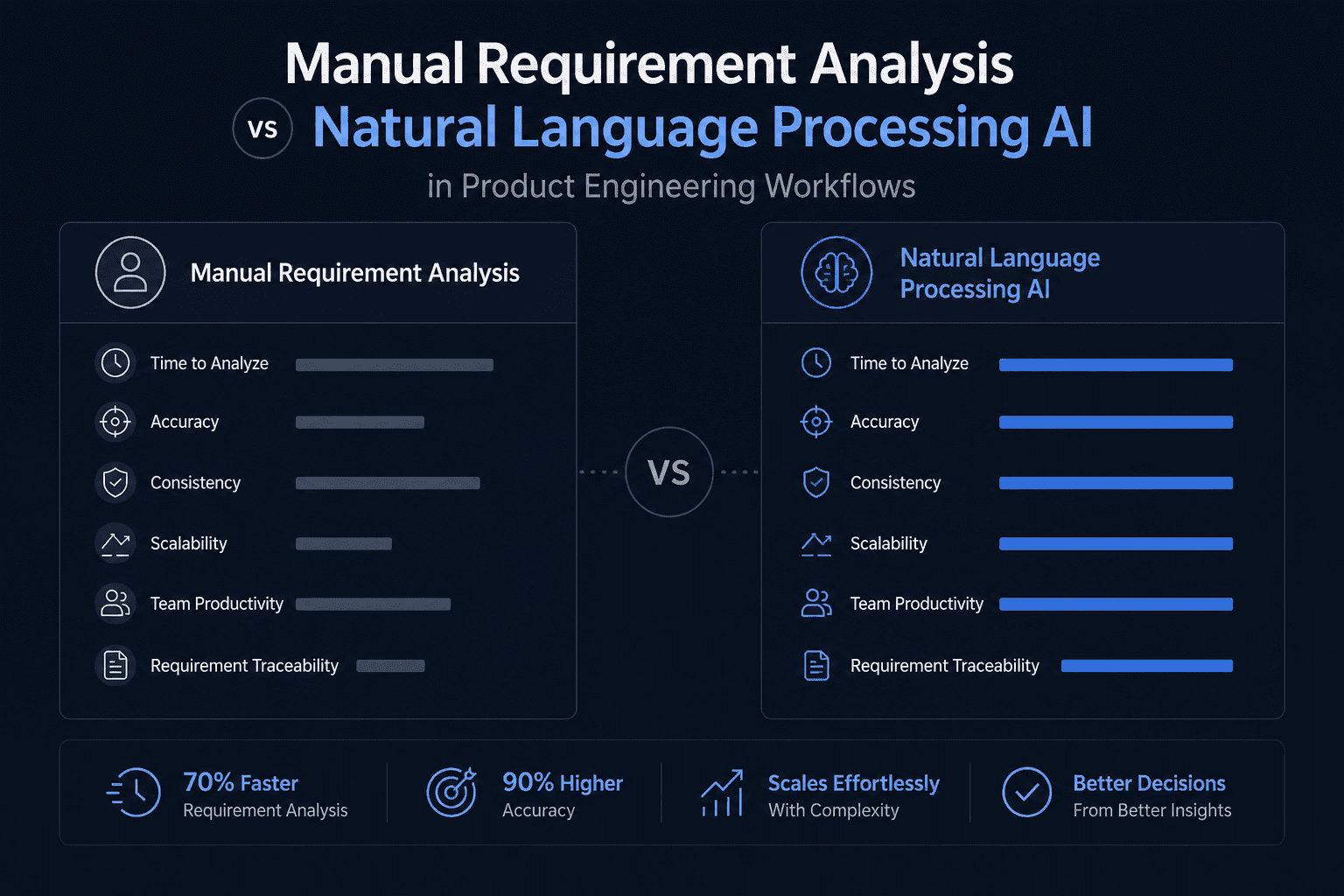
Manual Requirement Analysis vs Natural Language Processing AI in Product Engineering Workflows
Jun 26 min read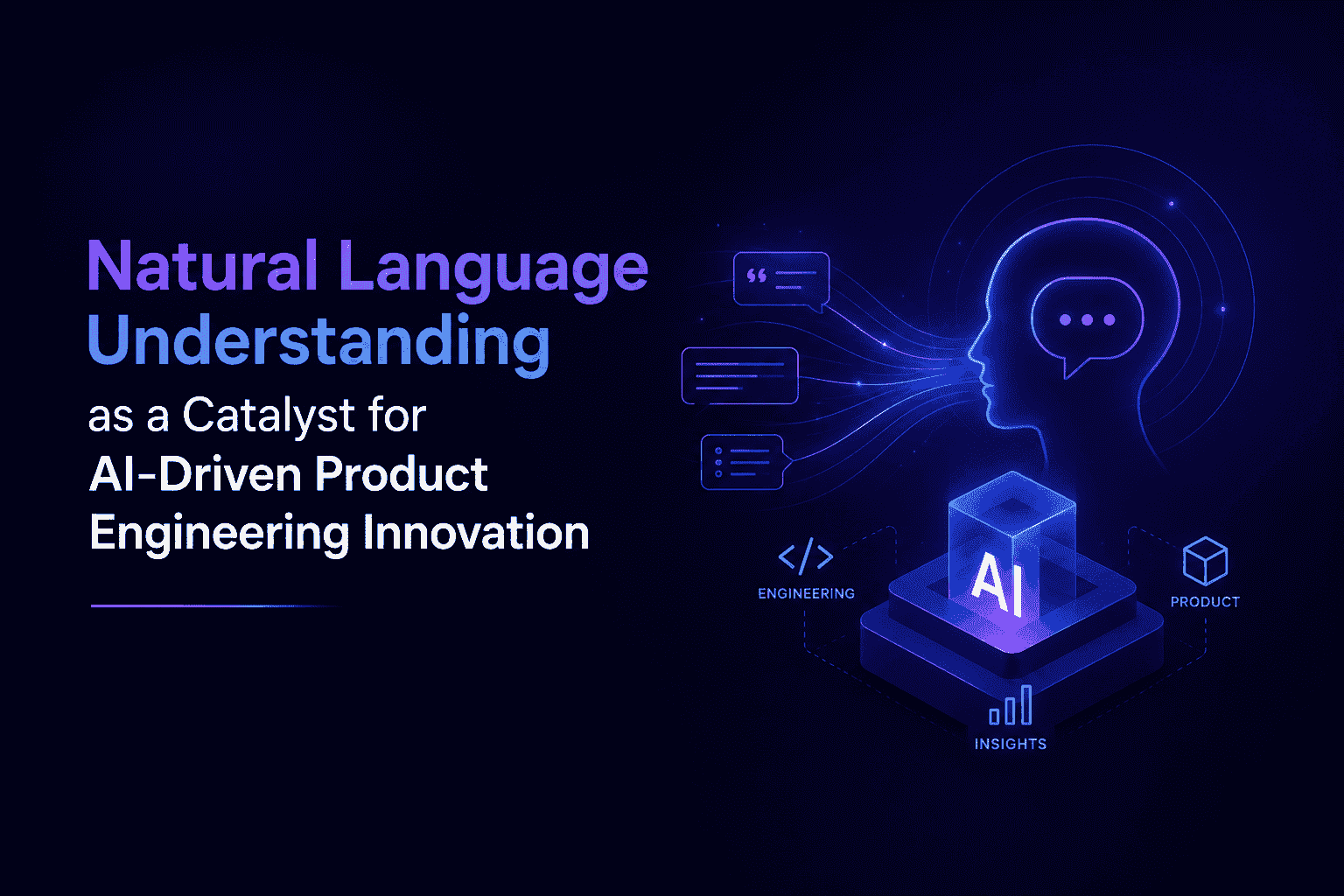 Product Engineering
Natural Language Understanding as a Catalyst for AI-Driven Product Engineering Innovation
Jun 17 min read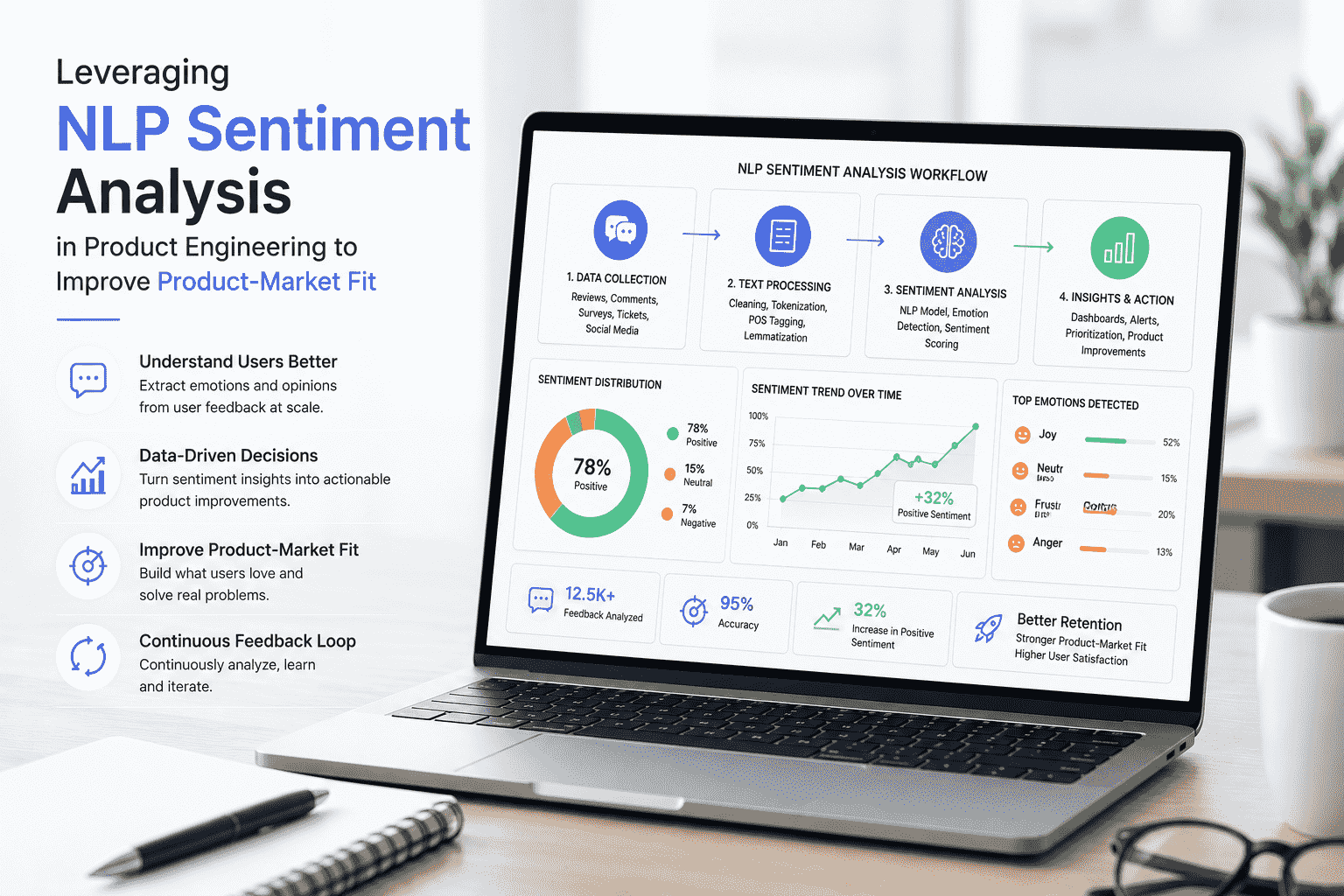 Product Engineering
Leveraging NLP Sentiment Analysis in Product Engineering to Improve Product-Market Fit
May 316 min read Product Engineering
The Role of Predictive Analytics for Business in Next-Gen Product Engineering Solutions
Feb 126 min read